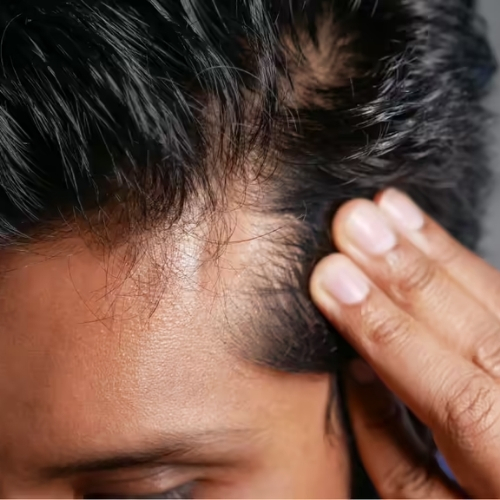
Hairfall
Hair fall is a common condition affecting both men and women and may occur due to stress, nutritional deficiencies, hormonal imbalance, scalp infections, or genetic factors. Excessive hair shedding can weaken hair density and affect overall appearance. In Ayurveda, hair fall is often linked to imbalance of doshas and poor scalp nourishment. Proper scalp care, balanced diet, and herbal therapies help strengthen hair follicles and improve blood circulation to the scalp. Natural oils, herbal formulations, and lifestyle adjustments support healthier hair growth. Early care and consistent treatment can reduce hair fall, improve scalp health, and restore stronger, thicker hair naturally over time.
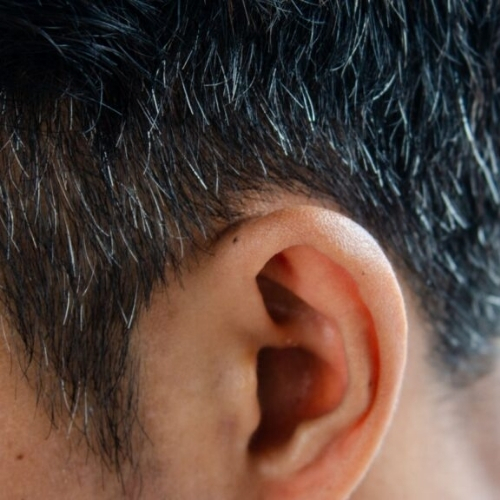
Greying of Hair
Premature greying of hair can occur due to genetics, nutritional deficiencies, stress, or hormonal imbalance. At Sanitas Ayurveda Clinic in Rampally, we offer specialized Ayurvedic treatment for premature greying of hair that works to restore scalp health and improve natural hair pigmentation. Our treatment approach uses powerful herbal formulations, detox therapies, and diet recommendations to nourish hair follicles and strengthen hair roots. By addressing the internal causes of hair greying, our Ayurvedic therapies help slow down the greying process and support healthier hair growth. Our clinic provides safe and natural care for patients seeking long-term solutions for grey hair treatment in Rampally.
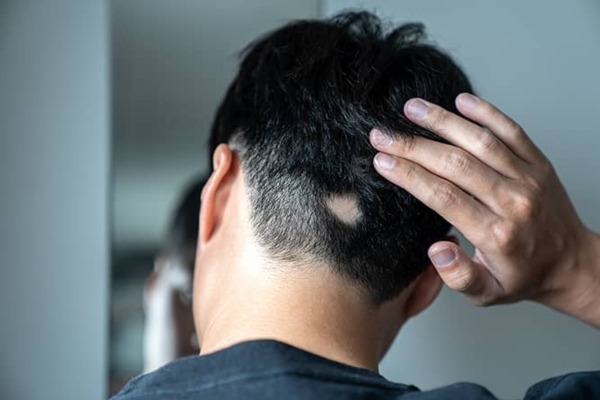
Alopecia
Alopecia refers to sudden or gradual hair loss that may lead to patchy bald spots or overall thinning of hair. It may occur due to autoimmune conditions, stress, genetics, or hormonal disturbances. In some cases, the immune system mistakenly attacks hair follicles, leading to hair loss. According to Ayurveda, alopecia can result from imbalance in body energies affecting hair roots and scalp tissues. Treatment focuses on improving scalp circulation, nourishing hair follicles, and restoring internal balance. Herbal remedies, scalp therapies, and lifestyle changes help stimulate natural hair regrowth and prevent further hair loss while supporting healthier and stronger hair development.
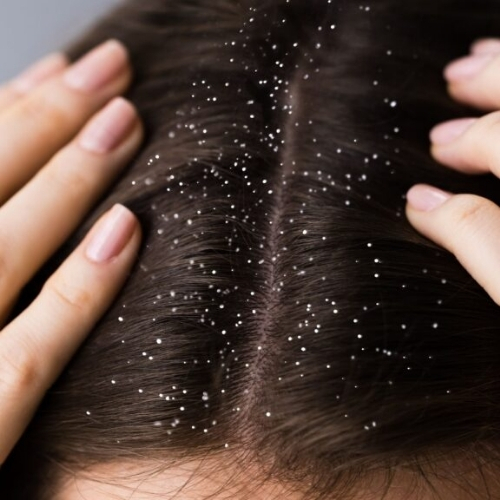
Dandruff
Dandruff is a common scalp condition characterized by itching, flaking, dryness, and irritation of the scalp. It can develop due to fungal growth, excessive oil production, poor hygiene, stress, or sensitivity to hair products. Persistent dandruff may lead to discomfort and can sometimes contribute to hair fall. Ayurveda associates dandruff with imbalance of body energies and toxin accumulation affecting scalp health. Herbal oils, scalp cleansing treatments, and proper hair care routines can help restore balance. Natural remedies focus on reducing flakes, soothing irritation, and improving scalp nourishment, promoting a healthier scalp environment and stronger hair roots over time.
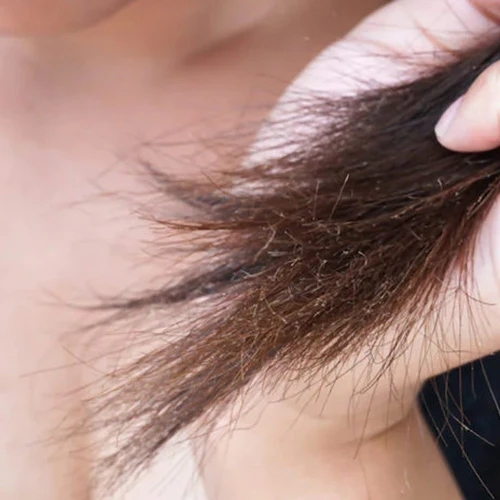
Splitting of Hair
Split ends occur when the hair shaft becomes weak and damaged, causing the tips of the hair strands to split into multiple sections. This condition often develops due to excessive heat styling, chemical treatments, lack of moisture, or environmental damage. Split ends can make hair appear dry, frizzy, and unhealthy. Proper hair care, regular trimming, and nourishing treatments are important for preventing further damage. Ayurvedic hair care emphasizes the use of herbal oils, gentle cleansing, and balanced nutrition to strengthen hair fibers. Natural remedies help improve moisture balance, protect hair structure, and support overall hair health and shine.
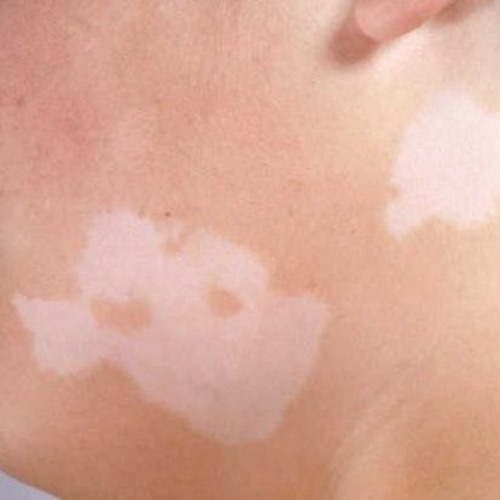
White Patches
White patches on the skin may occur due to loss of skin pigmentation, commonly seen in conditions affecting melanin production. These patches can appear on various parts of the body and may gradually spread over time. Factors such as autoimmune responses, genetic tendencies, or environmental triggers may contribute to this condition. In Ayurveda, imbalance of body energies and impaired skin nourishment are considered possible causes. Holistic care focuses on improving skin health, supporting pigmentation balance, and strengthening immunity. Herbal formulations, dietary guidance, and lifestyle changes may help support skin recovery and maintain healthier skin tone and overall well-being.
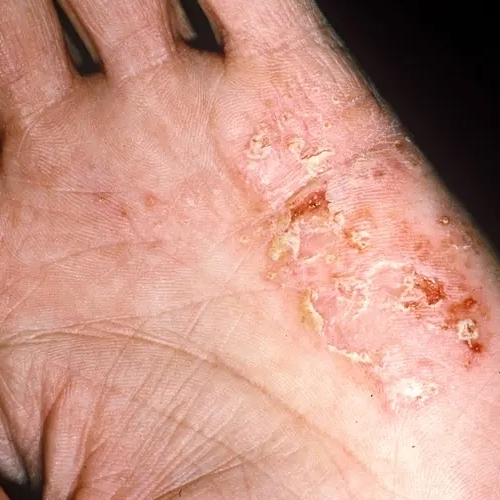
Eczema
Eczema is a chronic inflammatory skin condition that causes redness, itching, dryness, and irritation. It may appear on different parts of the body and can worsen due to allergens, stress, environmental factors, or immune sensitivity. The skin may become cracked or inflamed during flare-ups, causing discomfort. Ayurvedic understanding relates eczema to imbalance in body energies and accumulation of toxins affecting the skin. Treatment focuses on detoxification, herbal remedies, and soothing therapies that calm skin irritation. Proper diet, stress management, and gentle skin care can help reduce symptoms, improve skin hydration, and support healthier skin function naturally.
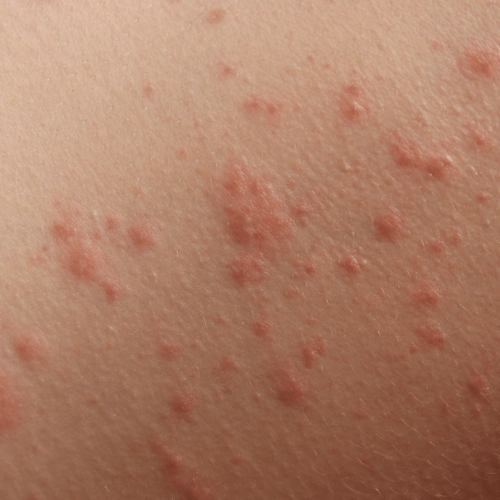
Contact Dermatitis
Contact dermatitis occurs when the skin reacts to substances such as chemicals, cosmetics, metals, or plants. The condition often causes redness, itching, swelling, and irritation where the skin has touched the irritant or allergen. In some cases, small blisters or dryness may develop. Avoiding triggers is essential for preventing recurrence. Ayurvedic care focuses on soothing inflamed skin, removing toxins, and restoring natural skin balance. Herbal applications, cooling remedies, and dietary support can help calm irritation and promote healing. Proper skin care and awareness of irritants are important for maintaining healthy skin and preventing future reactions.
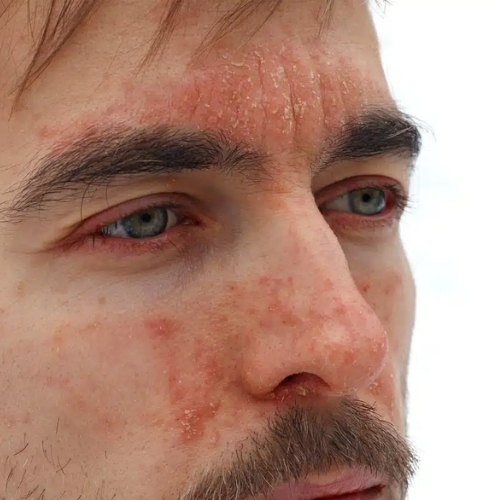
Seborrheic Dermatitis
Seborrheic dermatitis is a skin condition that commonly affects oily areas such as the scalp, face, and chest. It causes redness, itching, flaky patches, and greasy scales on the skin. The condition may be associated with excessive oil production, fungal growth, stress, or environmental factors. In Ayurveda, this disorder is linked to imbalance in body energies affecting the skin and scalp. Treatment focuses on cleansing the skin, controlling inflammation, and restoring natural balance. Herbal preparations, scalp therapies, and proper skin care routines can help reduce flaking, soothe irritation, and maintain healthier skin and scalp.
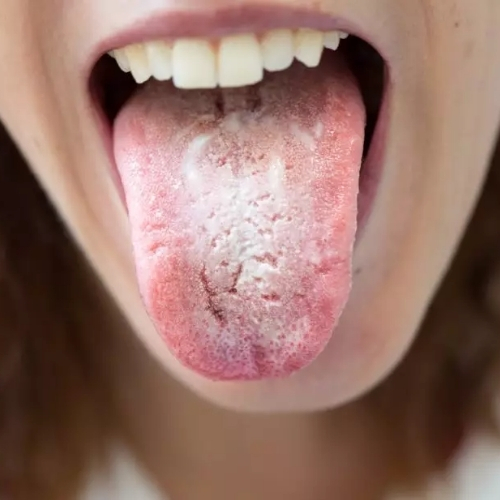
Candidiasis
Candidiasis is a fungal infection caused by the overgrowth of Candida yeast, which normally lives in small amounts on the skin and inside the body. When the balance of microorganisms changes, the fungus can multiply and cause infection. Symptoms may include redness, itching, irritation, and white patches in affected areas. Factors such as weakened immunity, moisture, or certain medications may increase the risk. Ayurvedic care focuses on restoring internal balance and supporting immunity. Herbal remedies, detox therapies, and dietary adjustments help reduce fungal growth and promote healthy skin while preventing recurrence.
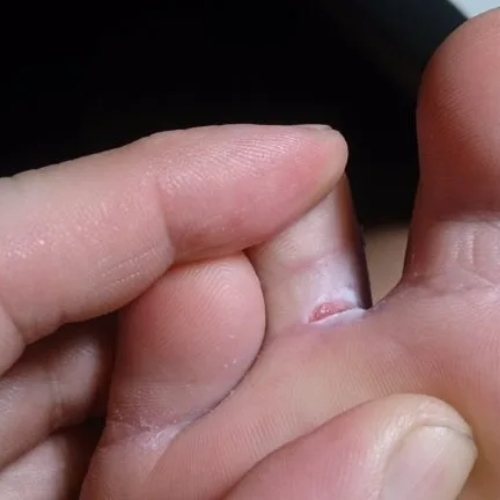
Athlete’s Foot
Athlete’s foot is a common fungal infection affecting the skin between the toes and sometimes the soles of the feet. It often causes itching, redness, burning sensation, and cracked skin. The infection thrives in warm, moist environments such as sweaty shoes or public locker rooms. Maintaining proper foot hygiene is essential to prevent recurrence. Ayurvedic treatment focuses on controlling fungal growth, reducing inflammation, and improving skin health. Herbal preparations, cleansing remedies, and lifestyle measures help relieve symptoms and support faster healing while promoting healthier skin and preventing the spread of infection.
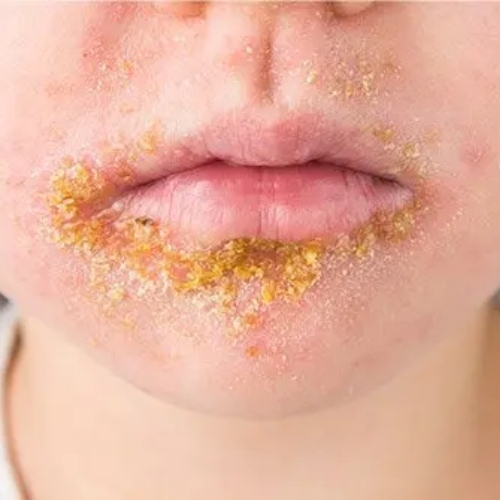
Impetigo
Impetigo is a contagious bacterial skin infection commonly affecting children but can also occur in adults. It usually appears as red sores or blisters that may burst and form yellowish crusts on the skin. The infection often spreads through close contact or scratching affected areas. Good hygiene and proper treatment are important to prevent transmission. Ayurvedic care focuses on cleansing the skin, reducing inflammation, and supporting the body’s natural healing process. Herbal remedies and soothing topical applications help manage symptoms and promote skin recovery while improving overall skin health.
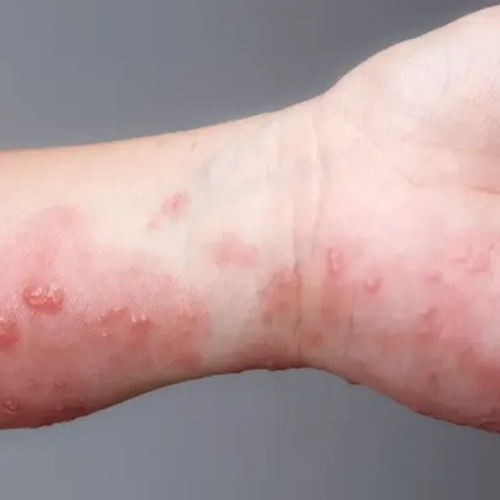
Scabies
Scabies is a contagious skin condition caused by tiny mites that burrow into the skin and cause intense itching. The itching often becomes worse at night and may be accompanied by small red bumps or rash. The condition spreads through close physical contact or shared clothing and bedding. Proper hygiene and early treatment are important to control the spread. Ayurvedic care focuses on cleansing the skin, reducing irritation, and eliminating the underlying cause. Herbal remedies, medicated oils, and skin care therapies help soothe itching and support the healing process naturally.
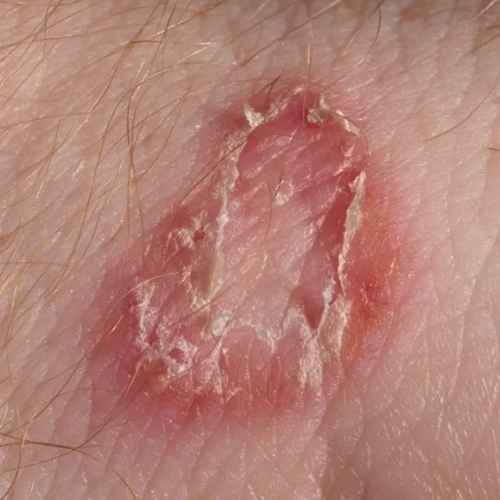
Ringworm / Tinea
Ringworm, also known as tinea, is a fungal infection affecting the skin, scalp, or nails. It appears as circular, red, itchy patches with slightly raised borders that may gradually expand. Despite its name, it is not caused by worms but by dermatophyte fungi. The infection spreads through direct contact with infected individuals, animals, or contaminated surfaces. Ayurvedic care focuses on reducing fungal growth, purifying the skin, and strengthening immunity. Herbal treatments, cleansing therapies, and proper hygiene help control the infection, relieve itching, and promote healthier skin recovery.
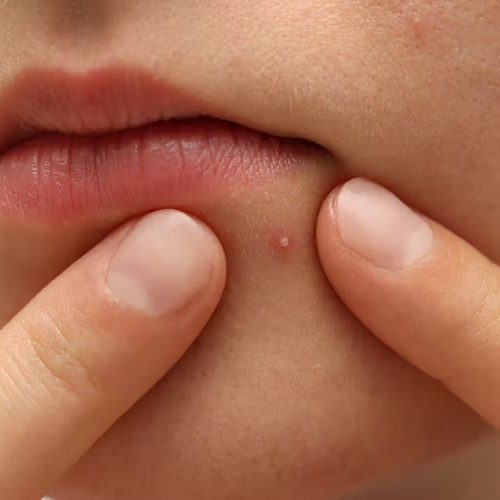
Acne / Pimples
Acne is a common skin condition that occurs when hair follicles become clogged with oil, dead skin cells, and bacteria. It often appears on the face, chest, shoulders, and back as pimples, blackheads, or whiteheads. Hormonal changes, stress, diet, and excess oil production can contribute to acne development. Ayurveda associates acne with imbalance in body energies and toxin accumulation affecting the skin. Treatment focuses on purifying the blood, reducing inflammation, and balancing oil production. Herbal remedies, dietary adjustments, and proper skin care can help improve skin clarity and prevent future breakouts.
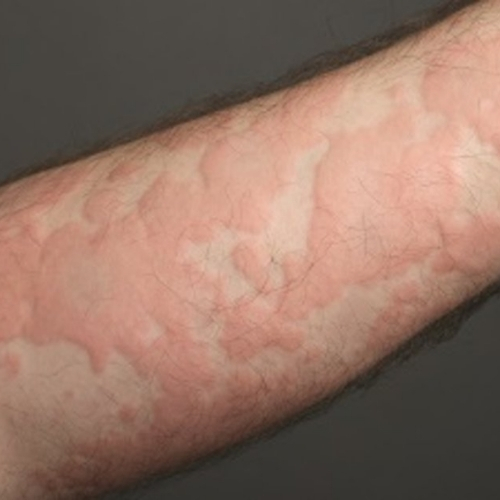
Urticaria
Urticaria, commonly known as hives, is a skin reaction characterized by raised, itchy welts that appear suddenly on the skin. These welts may vary in size and can disappear and reappear within hours. The condition is often triggered by allergies, certain foods, medications, infections, or stress. Ayurveda relates urticaria to imbalance in body energies and toxin accumulation in the bloodstream. Treatment focuses on detoxification, soothing skin irritation, and strengthening immunity. Herbal remedies, dietary regulation, and lifestyle modifications help reduce allergic responses and support healthier skin balance.
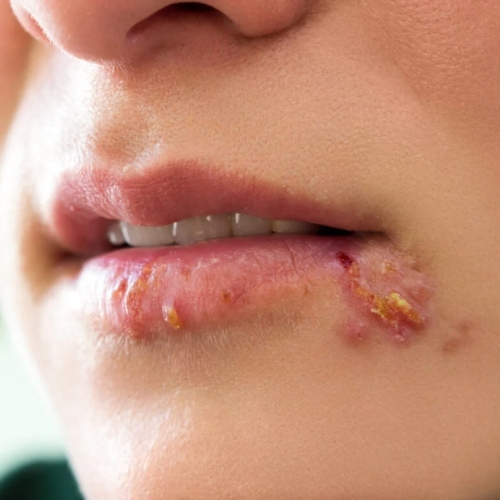
Herpes
Herpes is a viral infection that causes painful blisters or sores on the skin and mucous membranes. The virus can remain dormant in the body and may reactivate during stress, illness, or weakened immunity. Symptoms include itching, burning sensation, and fluid-filled blisters that later form crusts. Proper care and hygiene are important to manage outbreaks and prevent spread. Ayurvedic care focuses on strengthening the immune system, reducing inflammation, and supporting natural healing. Herbal therapies and lifestyle guidance help manage symptoms and promote better overall health.
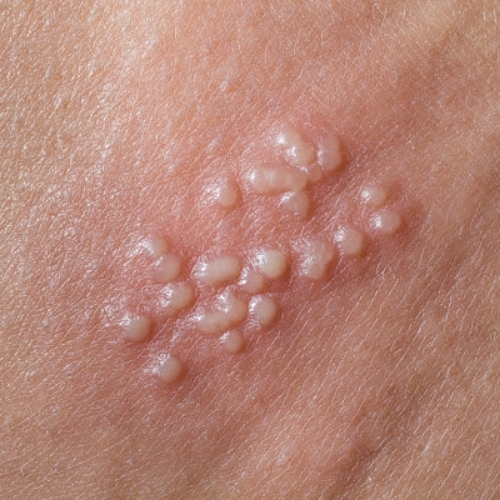
Genital Sores
Genital sores are painful lesions that may appear around the genital area due to infections, irritation, or underlying medical conditions. These sores may cause discomfort, itching, or burning sensations. Maintaining proper hygiene and seeking timely care are important to avoid complications. In Ayurvedic understanding, imbalance in body energies and weakened immunity may contribute to such conditions. Treatment focuses on supporting immunity, reducing inflammation, and promoting natural healing. Herbal remedies, soothing therapies, and appropriate lifestyle practices can help improve comfort and support the body’s recovery process.
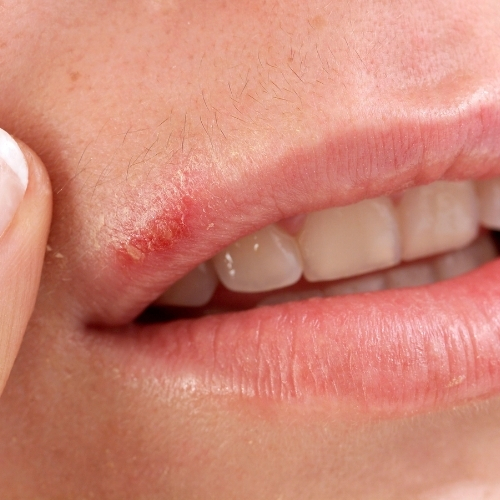
Cold Sores
Cold sores are small, painful blisters that typically appear around the lips and mouth area. They are caused by the herpes simplex virus and may recur periodically. The sores usually begin with tingling or itching before forming fluid-filled blisters that later crust and heal. Stress, illness, or weakened immunity may trigger outbreaks. Ayurvedic care focuses on strengthening immunity, reducing inflammation, and supporting natural healing processes. Herbal remedies, dietary adjustments, and lifestyle balance may help manage symptoms, reduce recurrence, and support overall health.
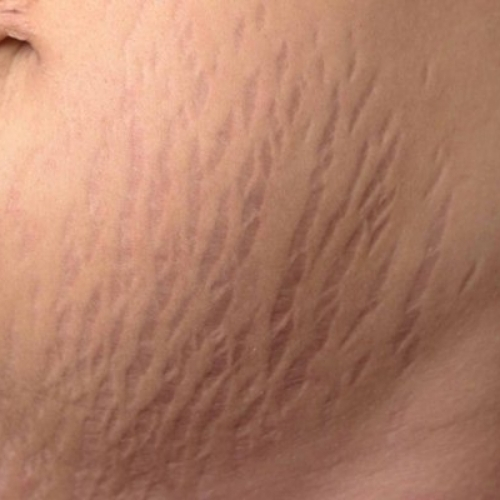
Stretch Marks
Stretch marks are streak-like lines that appear on the skin when it stretches rapidly due to weight changes, pregnancy, growth spurts, or hormonal fluctuations. They commonly occur on the abdomen, thighs, hips, and arms. Initially, they may appear reddish or purple and gradually fade to lighter shades. Ayurveda associates stretch marks with weakened skin elasticity and tissue imbalance. Herbal oils, nourishing therapies, and proper skin care can help improve skin texture and hydration. Regular massage and balanced nutrition support skin elasticity and help reduce the appearance of stretch marks over time.
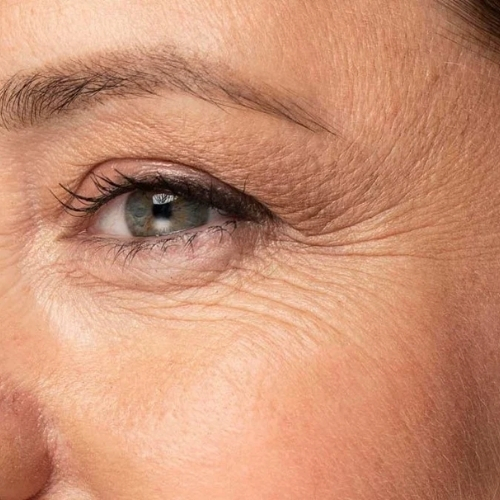
Wrinkles
Wrinkles are natural signs of skin aging that occur as the skin gradually loses elasticity, collagen, and moisture. They often appear on the face, neck, and hands due to aging, sun exposure, stress, and environmental factors. Fine lines may deepen over time if the skin lacks proper care and nourishment. Ayurvedic skin care focuses on maintaining hydration, improving circulation, and supporting natural collagen balance. Herbal formulations, rejuvenating therapies, and balanced nutrition can help improve skin texture and maintain youthful appearance while promoting healthy and naturally glowing skin.
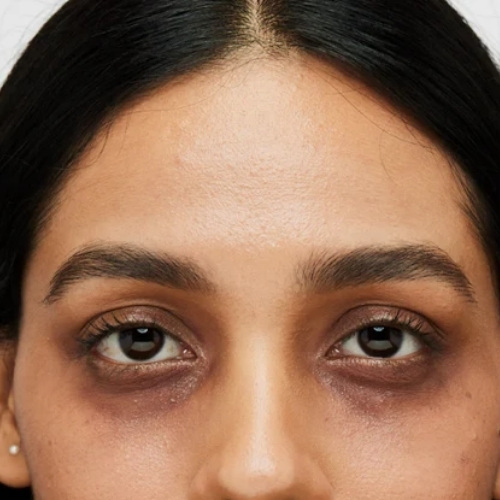
Dark Circles
Dark circles under the eyes are a common cosmetic concern that can make the face appear tired or dull. They may develop due to lack of sleep, stress, dehydration, genetics, or poor circulation around the eyes. The delicate skin under the eyes can become darker when blood vessels become more visible. Ayurveda emphasizes improving lifestyle habits, adequate rest, and proper nourishment to address this issue. Herbal remedies, gentle skin care, and natural therapies can help improve blood circulation and skin hydration, reducing the appearance of dark circles over time.
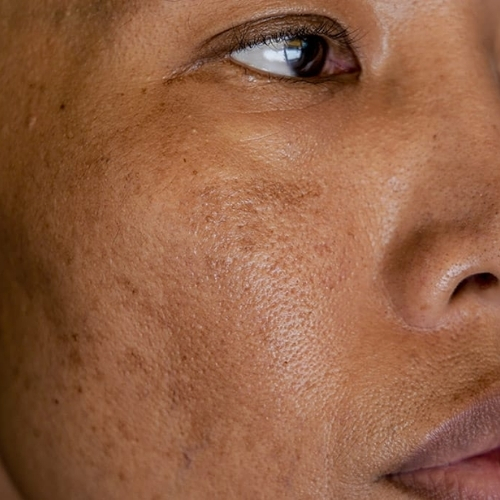
Melasma
Melasma is a skin condition that causes dark, patchy pigmentation on areas such as the cheeks, forehead, nose, and upper lip. It commonly occurs due to hormonal changes, sun exposure, pregnancy, or certain medications. The condition is more common in women and may gradually worsen without proper care. Ayurveda associates melasma with imbalance in body energies affecting skin pigmentation. Treatment focuses on purifying the blood, protecting the skin, and restoring natural pigmentation balance. Herbal remedies, dietary guidance, and proper sun protection help manage melasma and improve overall skin tone.
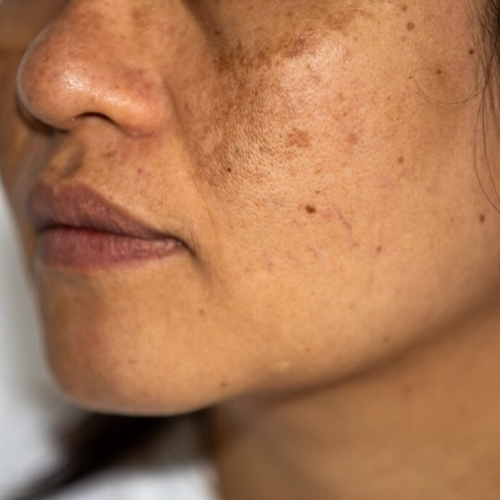
Hyper Pigmentation
Hyperpigmentation occurs when certain areas of the skin become darker than the surrounding skin due to excess melanin production. It may develop due to sun exposure, acne scars, hormonal changes, or skin injuries. The dark patches may appear on the face, neck, hands, or other exposed areas. Ayurvedic care focuses on balancing internal factors that influence pigmentation and improving skin health naturally. Herbal formulations, skin therapies, and proper sun protection help reduce pigmentation and promote a more even skin tone while supporting overall skin wellness.
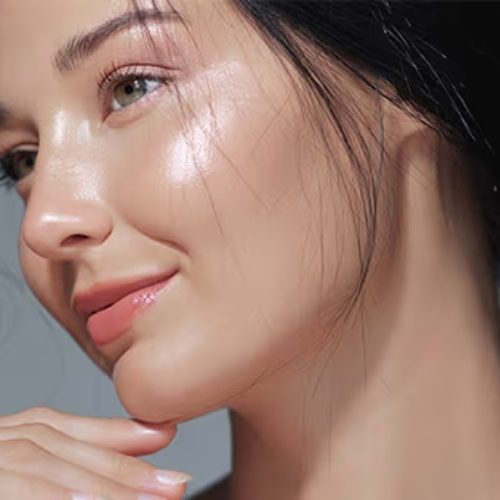
Skin Glow
Healthy glowing skin reflects proper internal balance and good skin care. Factors such as stress, pollution, poor diet, and lack of hydration can make the skin appear dull and tired. Ayurveda emphasizes maintaining internal harmony and nourishing the skin naturally to improve complexion. Herbal remedies, detox therapies, and balanced nutrition help purify the blood and enhance skin vitality. Proper hydration, adequate rest, and natural skin care practices also support radiant skin. With consistent care, the skin can regain its natural glow and maintain a healthy, vibrant appearance.
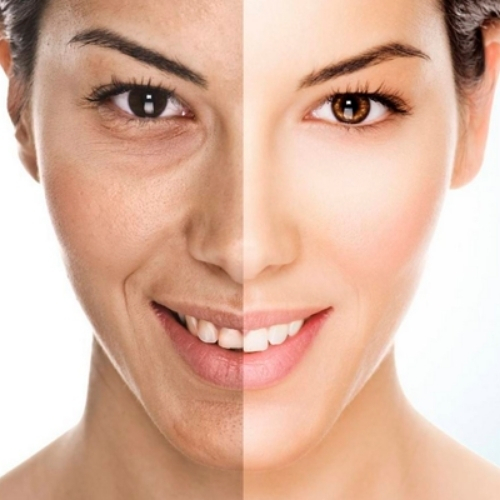
Skin Toning
Skin toning focuses on improving skin texture, firmness, and overall appearance. Environmental pollution, aging, and improper skin care can affect skin elasticity and lead to uneven tone or dullness. Ayurvedic skin care emphasizes balancing internal health while nourishing the skin externally. Herbal therapies, natural oils, and cleansing treatments help maintain skin firmness and hydration. Proper nutrition and lifestyle practices also support healthy skin structure. Regular care and natural therapies can help enhance skin tone, making the skin appear smoother, healthier, and more refreshed over time.
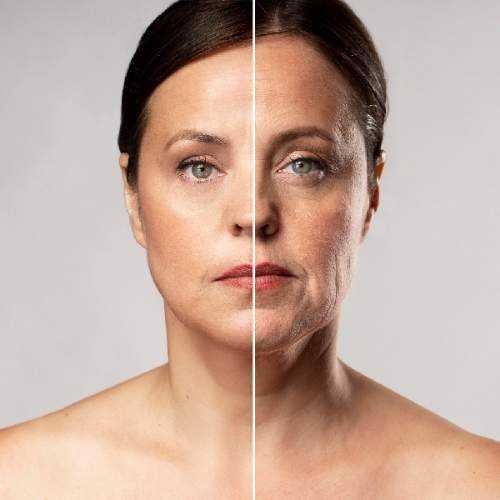
Anti Ageing
Ageing is a natural process, but factors such as stress, poor nutrition, pollution, and unhealthy lifestyle habits can accelerate skin ageing. Early signs may include wrinkles, fine lines, dullness, loss of elasticity, and uneven skin tone. In Ayurveda, premature ageing is often linked to imbalance in body doshas and reduced nourishment to skin tissues. Proper care focuses on rejuvenating the skin from within while improving circulation and nourishment. Ayurvedic treatments include herbal formulations, detox therapies, natural oils, and dietary guidance. These therapies help improve skin texture, enhance natural glow, slow visible signs of ageing, and support long-term skin health through gentle and holistic care.
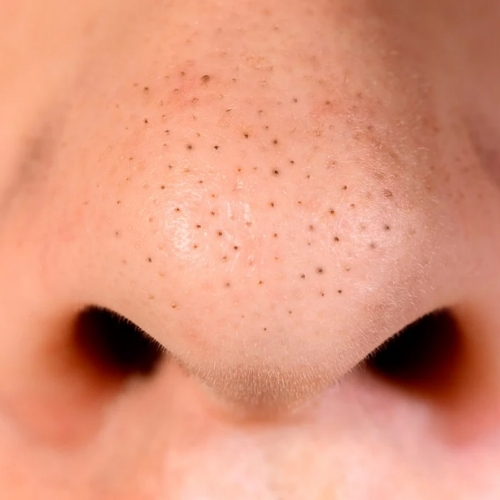
Black Heads
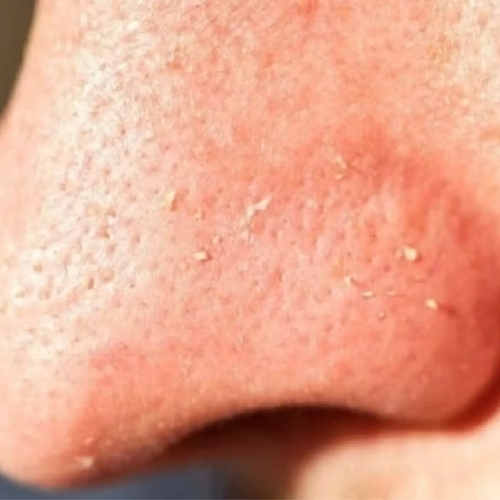
Blackheads are small dark bumps that commonly appear on the nose, chin, and forehead due to clogged hair follicles. They form when excess oil, dead skin cells, and dirt accumulate in the pores and oxidize when exposed to air. Hormonal imbalance, oily skin, pollution, and improper skincare habits can contribute to this problem. Ayurveda focuses on purifying the skin and balancing excess oil production. Treatments include herbal cleansing therapies, natural exfoliation, and detoxifying remedies that help remove impurities and open blocked pores. Regular care improves skin clarity, reduces recurring blackheads, and promotes healthier, smoother skin naturally.
White Heads
Whiteheads are small, closed bumps that develop when pores become blocked with oil, bacteria, and dead skin cells. They often appear on the face, especially around the cheeks, chin, and forehead. Hormonal changes, oily skin, poor hygiene, and unsuitable cosmetic products may worsen the condition. In Ayurveda, such skin issues are linked to toxin accumulation and imbalance in body doshas affecting skin health. Treatment focuses on gentle cleansing, herbal remedies, and detox therapies that help clear blocked pores and balance oil production. With consistent Ayurvedic care, skin becomes clearer, smoother, and less prone to recurring whiteheads.
Non-Healing Ulcers
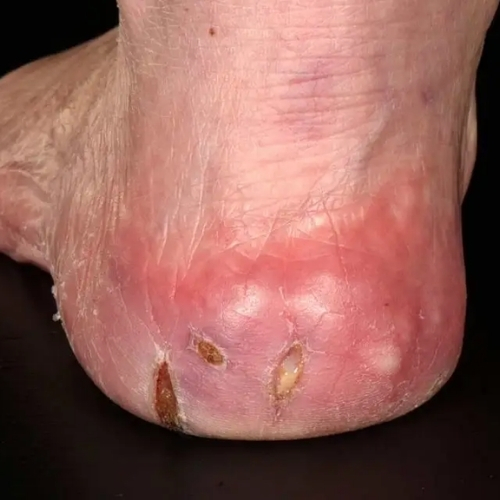
Non-healing ulcers are wounds that take an unusually long time to heal and may remain open for weeks or months. They can occur due to poor circulation, infections, diabetes, or weakened immunity. Such ulcers often cause pain, swelling, and risk of further complications if not treated properly. Ayurveda emphasizes improving the body’s natural healing ability by purifying blood and supporting tissue regeneration. Treatments include herbal medicines, medicated dressings, and therapies that help control infection and promote faster healing. This holistic approach supports wound recovery, improves circulation, and strengthens overall immunity for better long-term health.
Diabetic Foot
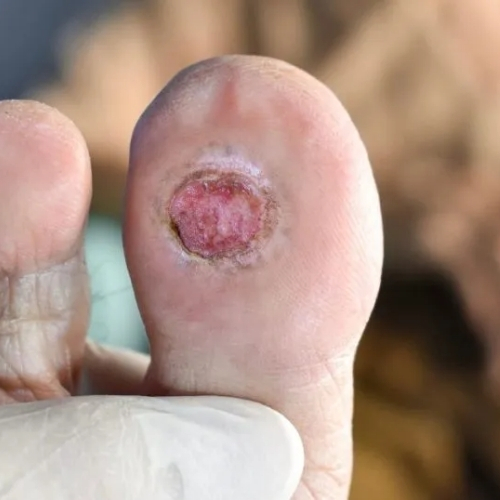
Diabetic foot is a serious complication of diabetes caused by nerve damage and poor blood circulation in the feet. It can lead to wounds, infections, ulcers, and delayed healing. Even small injuries may become severe if not managed early. Ayurveda focuses on improving circulation, controlling infection, and supporting natural tissue repair. Treatment includes herbal medicines, medicated oils, and specialized wound care therapies that promote healing and reduce complications. With proper monitoring, lifestyle guidance, and regular care, Ayurvedic treatment helps protect foot health, support wound recovery, and improve overall well-being for individuals with diabetes.
Cellulitis
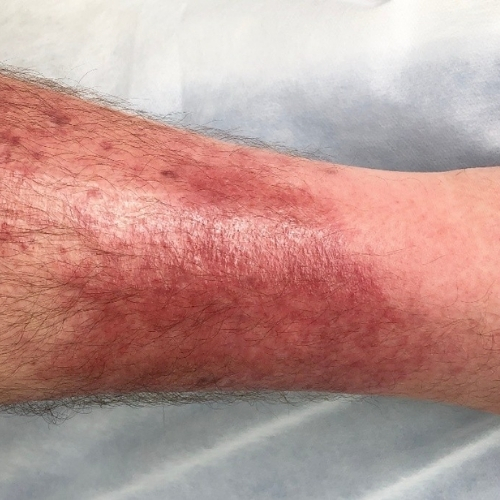
Cellulitis is a bacterial skin infection that causes redness, swelling, warmth, and tenderness in the affected area. It commonly occurs when bacteria enter the skin through cuts, wounds, or weakened skin barriers. If untreated, the infection may spread deeper into tissues and cause complications. In Ayurveda, such conditions are associated with blood impurities and inflammation. Treatment focuses on purifying the blood, reducing infection, and improving the body’s natural defense system. Herbal medicines, detox therapies, and soothing applications help reduce inflammation, support healing, and restore healthy skin tissues gradually and naturally.
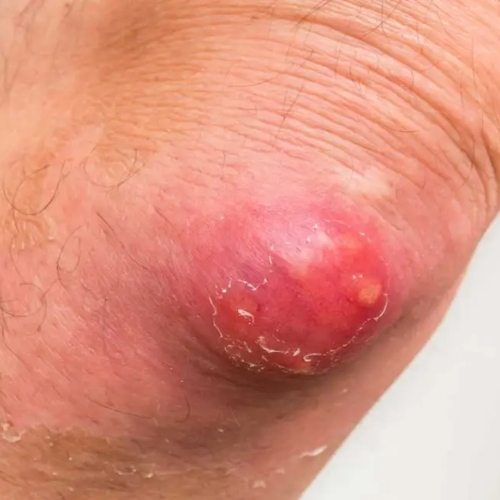
Carbuncles
Carbuncles are clusters of painful boils that develop deep within the skin due to bacterial infection in hair follicles. They often appear on the neck, back, or thighs and may cause swelling, redness, pus formation, and discomfort. Poor hygiene, weakened immunity, diabetes, and excessive sweating can increase the risk. Ayurveda approaches carbuncles by addressing infection and purifying the blood while strengthening the immune system. Herbal medicines, detox therapies, and medicated applications help reduce inflammation, drain infection naturally, and support faster healing of the affected skin area.
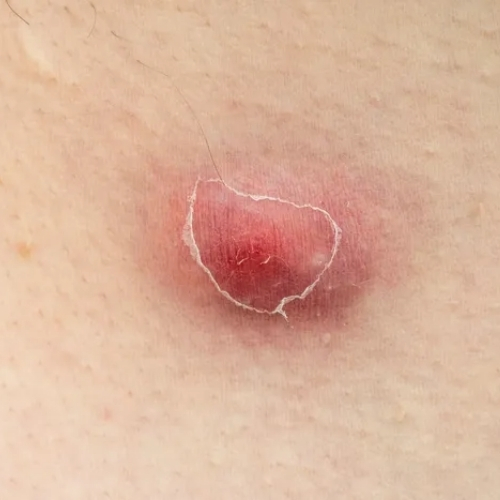
Boils
Boils are painful, pus-filled lumps that develop under the skin due to bacterial infection in hair follicles or oil glands. They commonly occur on the face, neck, armpits, and thighs. Boils may start as red, tender bumps and gradually enlarge as infection progresses. In Ayurveda, such infections are often related to toxin accumulation and blood impurities. Treatment focuses on detoxifying the body, reducing infection, and promoting natural healing. Herbal medicines, soothing applications, and lifestyle adjustments help control recurring boils, reduce inflammation, and support healthy skin recovery.
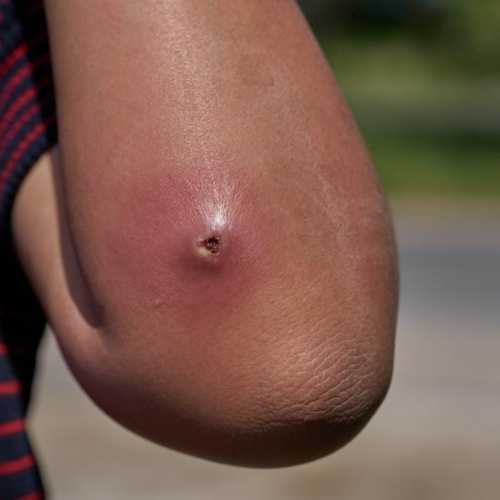
Abscess
An abscess is a localized collection of pus that forms due to infection within tissues. It may cause swelling, redness, pain, and warmth around the affected area. Abscesses can develop when bacteria enter the body through cuts, wounds, or blocked glands. Without proper care, the infection may worsen and cause complications. Ayurveda focuses on eliminating infection, purifying the blood, and supporting the body’s natural healing process. Herbal medicines, medicated applications, and detox therapies help reduce inflammation, promote drainage, and support healthy tissue recovery for long-term skin health.
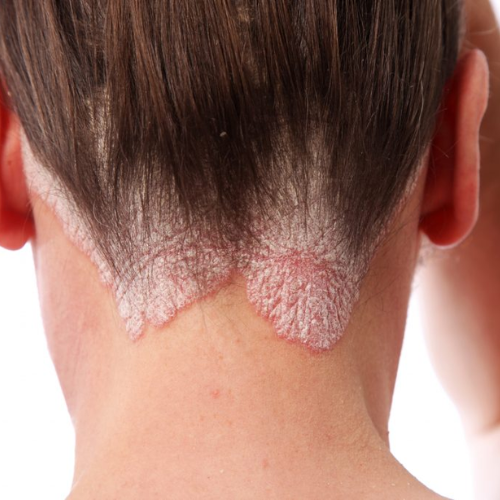
Psoriasis
Psoriasis is a chronic autoimmune skin condition that causes the rapid buildup of skin cells, leading to thick, scaly patches on the skin. It commonly appears as red, inflamed areas covered with silvery-white scales and may cause itching, dryness, burning, or discomfort. Psoriasis occurs due to an overactive immune response that accelerates skin cell production. Triggers such as stress, infections, weather changes, or certain lifestyle factors can worsen the condition. Ayurveda focuses on balancing the body’s internal systems, detoxifying impurities, and improving skin health naturally. Herbal medicines, medicated oils, dietary regulation, and purification therapies help reduce inflammation, soothe irritation, and promote healthy skin regeneration for long-term relief and wellness.